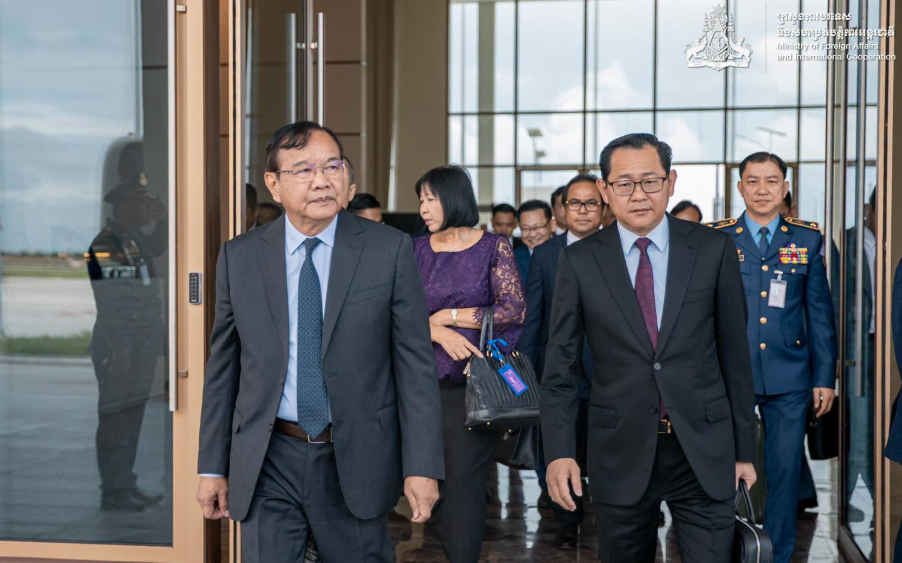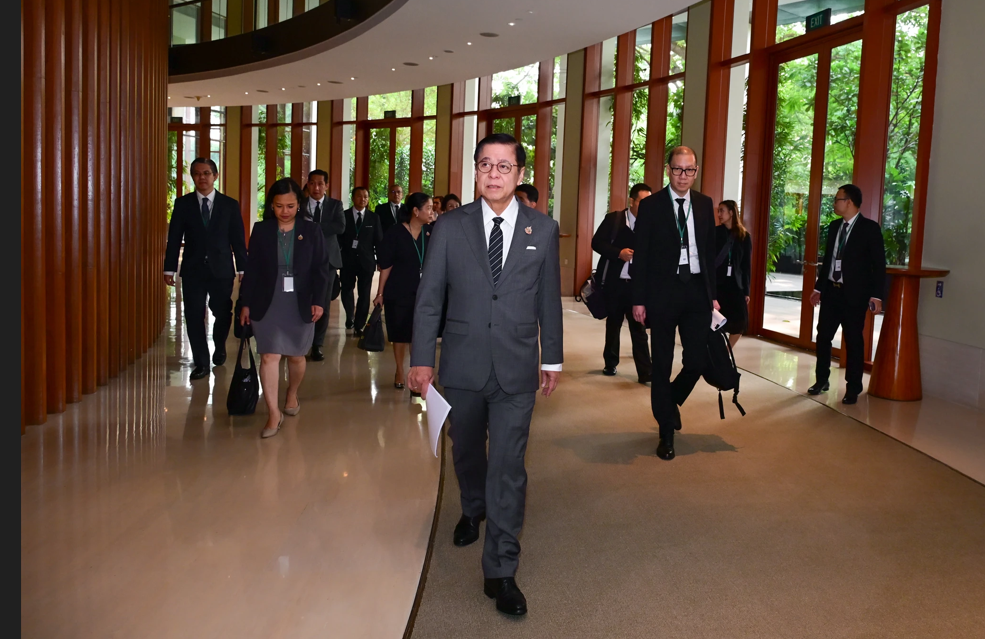

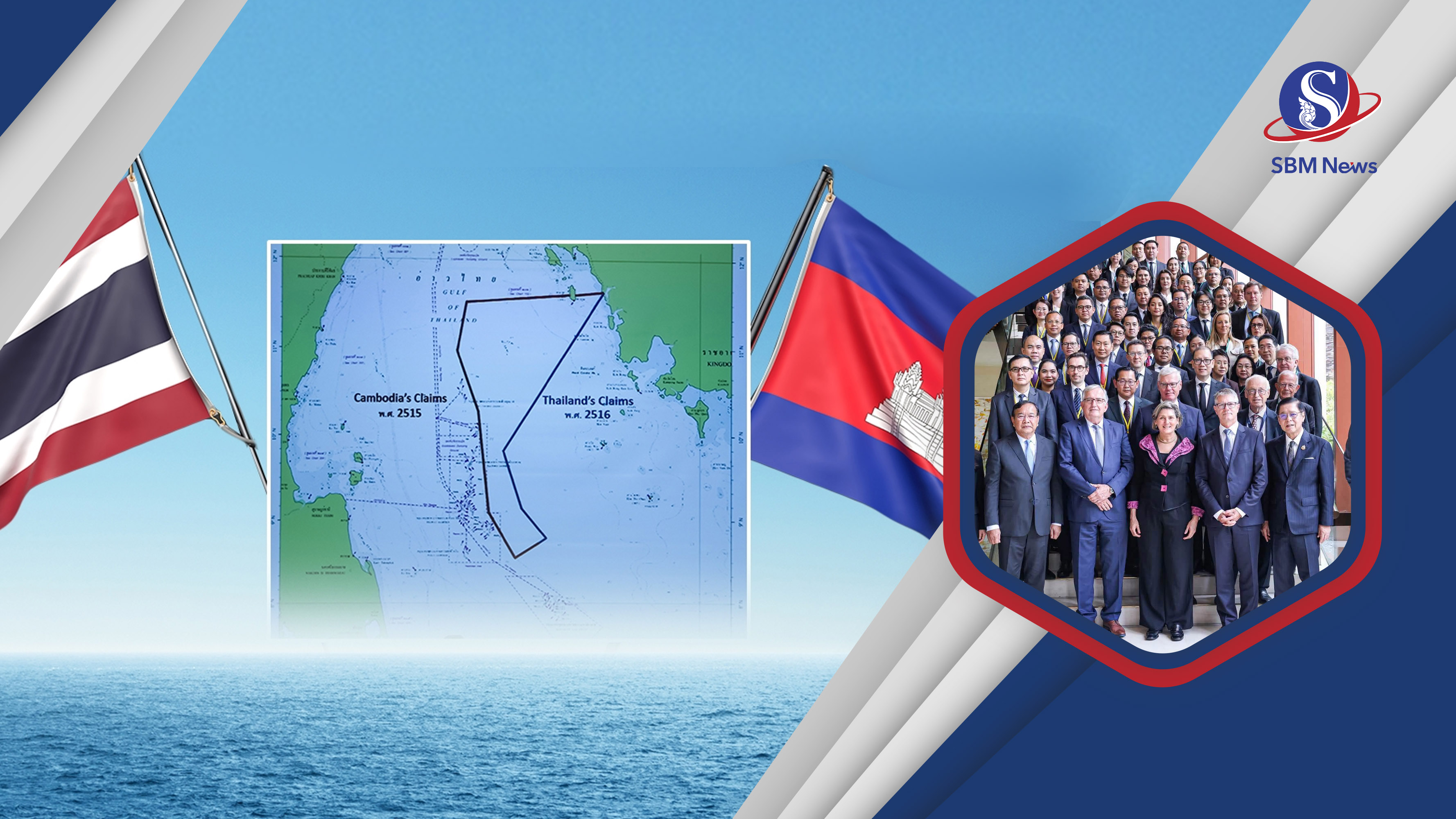
Singapore, August 16, 2026: If the dispute is resolved through the United Nations Convention on the Law of the Sea (UNCLOS) as an international mechanism from beginning to end, Thailand appears to be concerned that Cambodia will obtain whatever belongs to it in the maritime area, or that any part belonging to Cambodia but currently controlled by Thailand will be returned to Cambodia as the original owner.
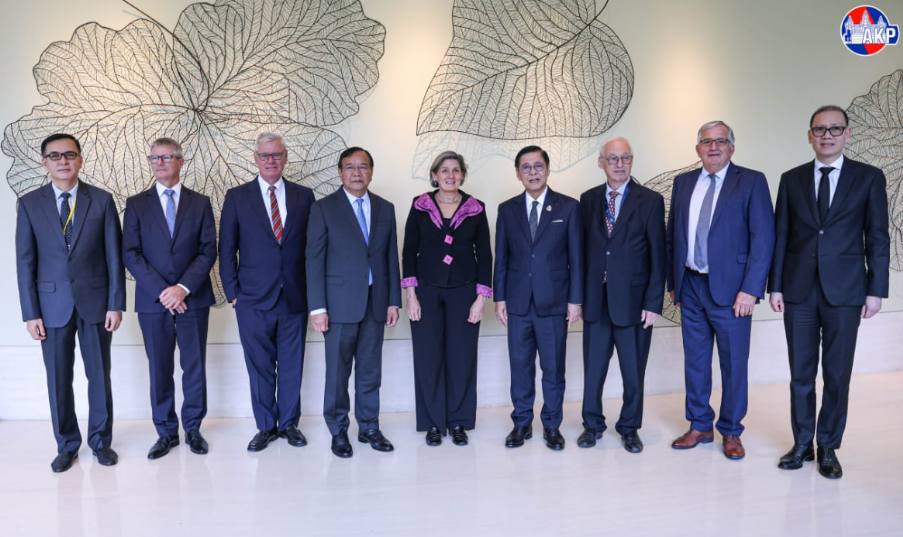
That is the biggest reason why, even at the UNCLOS Conciliation Commission meeting, the Thai side continues to show its intention not to resolve the maritime dispute with Cambodia through this international mechanism. Instead, Thailand continues to insist, as it has repeatedly declared, that it wants to choose bilateral negotiations with Cambodia.
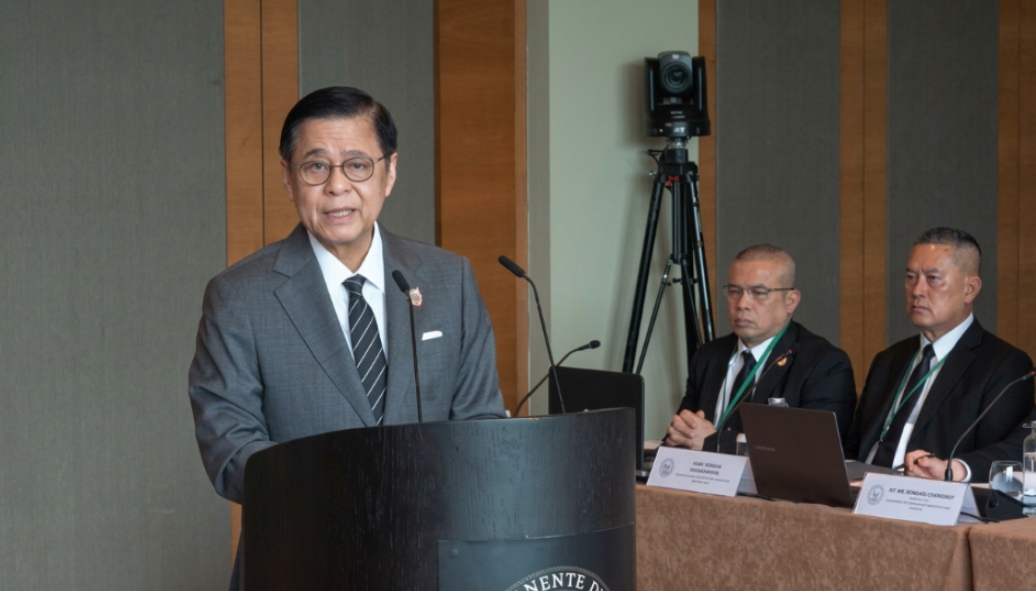
On the morning of September 15, 2026, in Singapore, the UNCLOS Conciliation Commission, led by Katrina Cooper, an Australian national and chair of the commission, held an open public session before the meeting proceeded behind closed doors.
Sihasak Phuangketkeow, Thailand's Foreign Minister and representative of the Thai side, said, “Thailand has consistently believed that differences between neighbours should be addressed through dialogue. That has been our approach throughout: to keep channels open, rebuild confidence, and seek sustainable solutions through bilateral negotiations.” Based on his statement, one could conclude that he wants Cambodia to retreat—meaning to abandon this international mechanism and return to bilateral negotiations with Thailand.

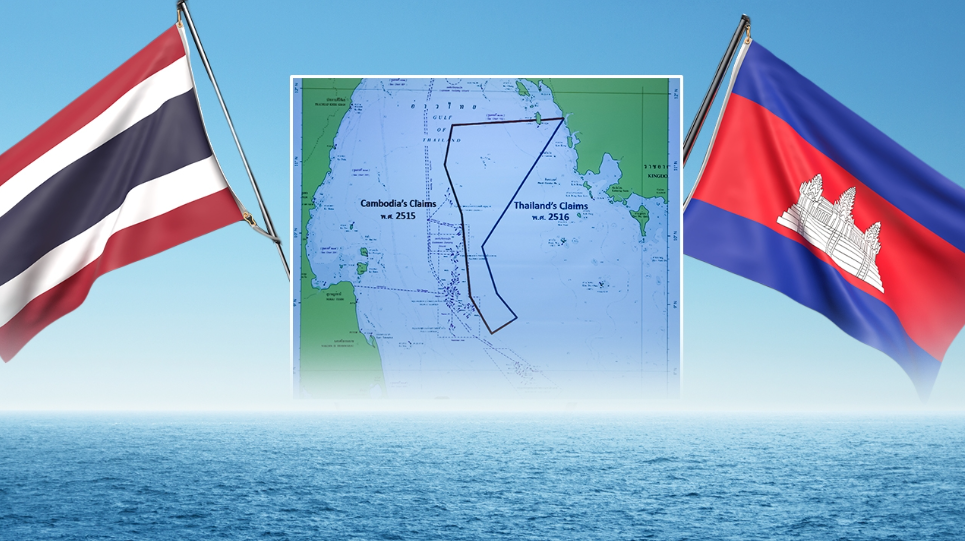
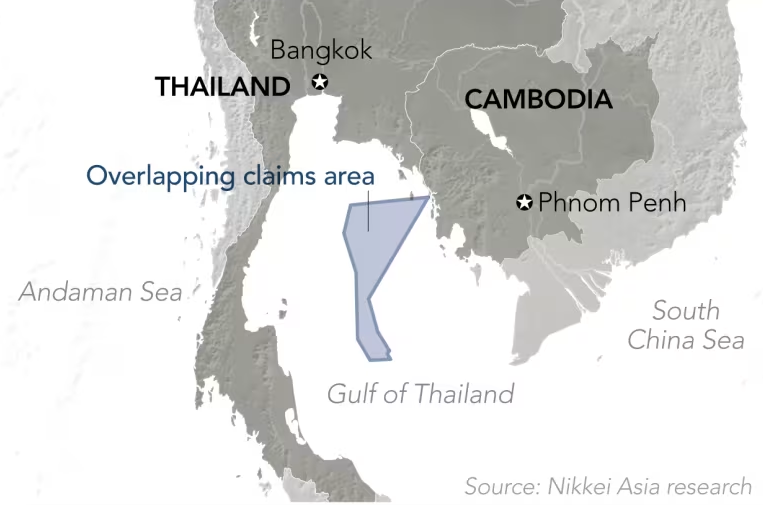
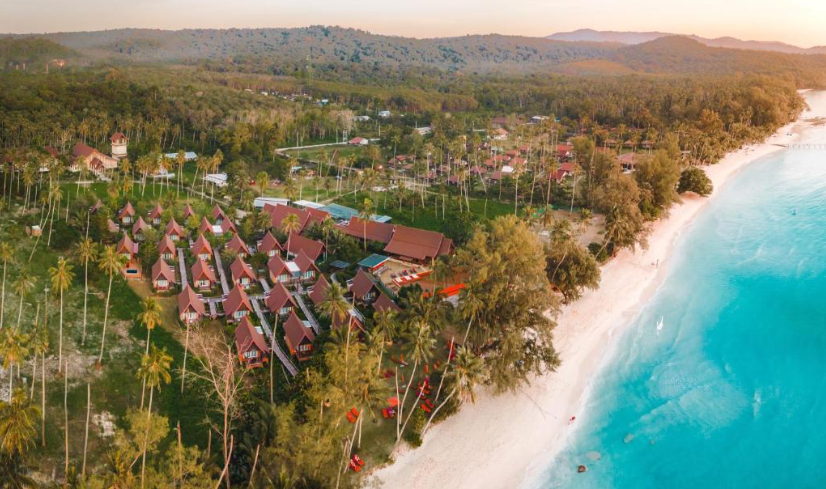
What belongs to Cambodia and what belongs to Thailand in the maritime area? The issue concerns the Overlapping Claims Area (OCA), a large maritime area containing substantial natural resources, particularly oil and natural gas, which the two sides have been seeking a solution for a long time. It is not only the Overlapping Claims Area that Thailand is highly concerned about. Thailand is also very concerned about Koh Kut (the island).
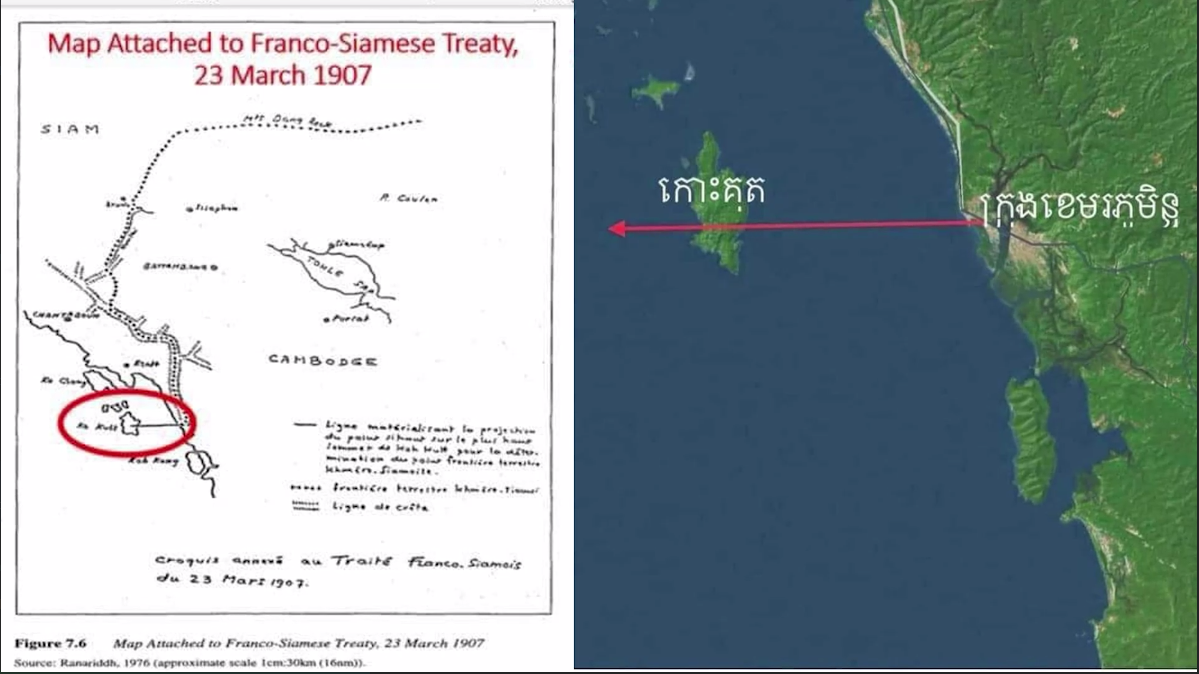
Therefore, in his speech mentioned above, Thailand's foreign minister stated in advance that the UNCLOS dispute-resolution process can not include Koh Kut and reaffirmed that the island belongs only to Thailand. In fact, even before the UNCLOS Commission meeting, Thailand's foreign minister and other Thai officials had repeatedly told the media that Koh Kut belongs to Thailand and cannot be included in the UNCLOS Commission's dispute-resolution process.
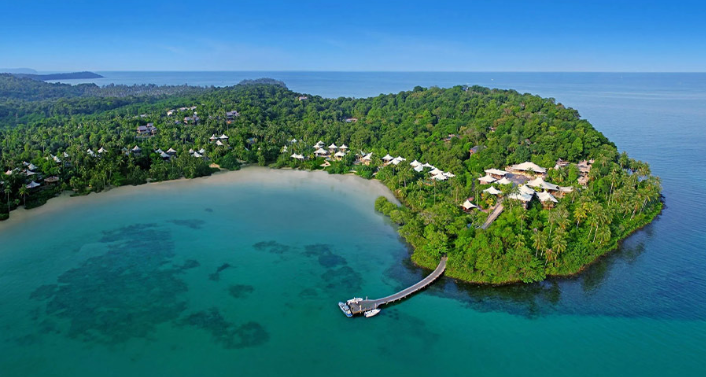
Why is Thailand so concerned about Koh Kut? Because Koh Kut is also considered to be relevant to maritime territory and maritime boundaries. What would happen if Cambodia raises or questions the issue of the island during the UNCLOS dispute-resolution process? Could Koh Kut be divided or awarded to Cambodia? This is one of the most sensitive issues that causes Thailand deep concern, even at the thought of it.

Will Cambodia withdraw from the UNCLOS mechanism? Cambodia and Thailand have a 2001 Memorandum of Understanding (MOU) concerning the resolution of their maritime dispute. However, in 2026, Thailand suddenly terminated this important document, leaving the maritime dispute deadlocked and making it difficult to find a way forward. Cambodia has no other option but to choose the UNCLOS mechanism. Therefore, there is no reason for Cambodia to withdraw from it.
What does Thailand's message show? The Thai foreign minister's message could lead the international community to understand that Thailand does not want to resolve the maritime dispute with Cambodia through an international mechanism.
This could lead to another question: Why does Thailand not want to resolve the dispute through an international mechanism? Is Thailand afraid that the international community might favor Cambodia? That would not be possible. International mechanisms are neutral and do not favor either side, and there is no reason for them to favor Cambodia.
If the international mechanism is impartial, then why is Thailand so concerned? Is Thailand currently controlling something in the maritime area that actually belongs to Cambodia? Or does Thailand want more than what belongs to it?
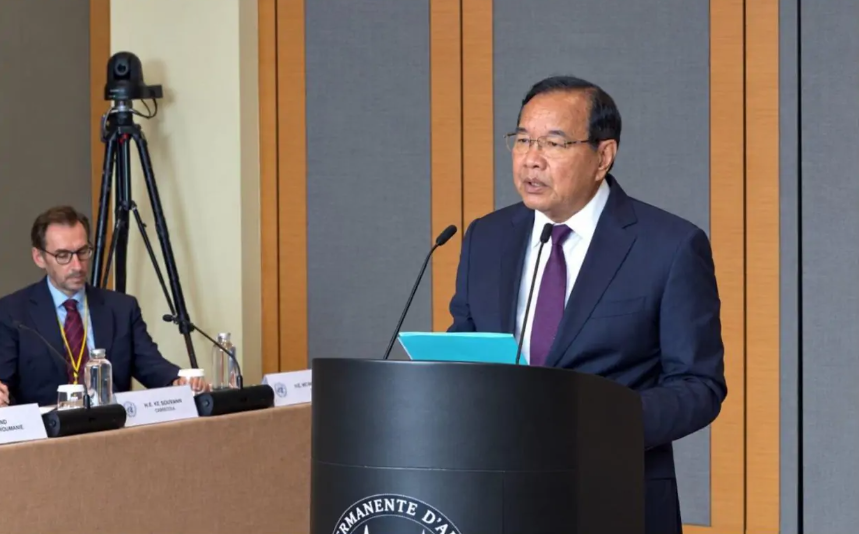
At the public session above, Prak Sokhonn, Cambodia's Foreign Minister and representative of the Cambodian side, stated clearly that after Thailand terminated the 2001 MoU, Cambodia chose to initiate compulsory conciliation under UNCLOS. He declared, “Cambodia sees this conciliation process as a means to rebuild trust, not as a form of escalation.”