
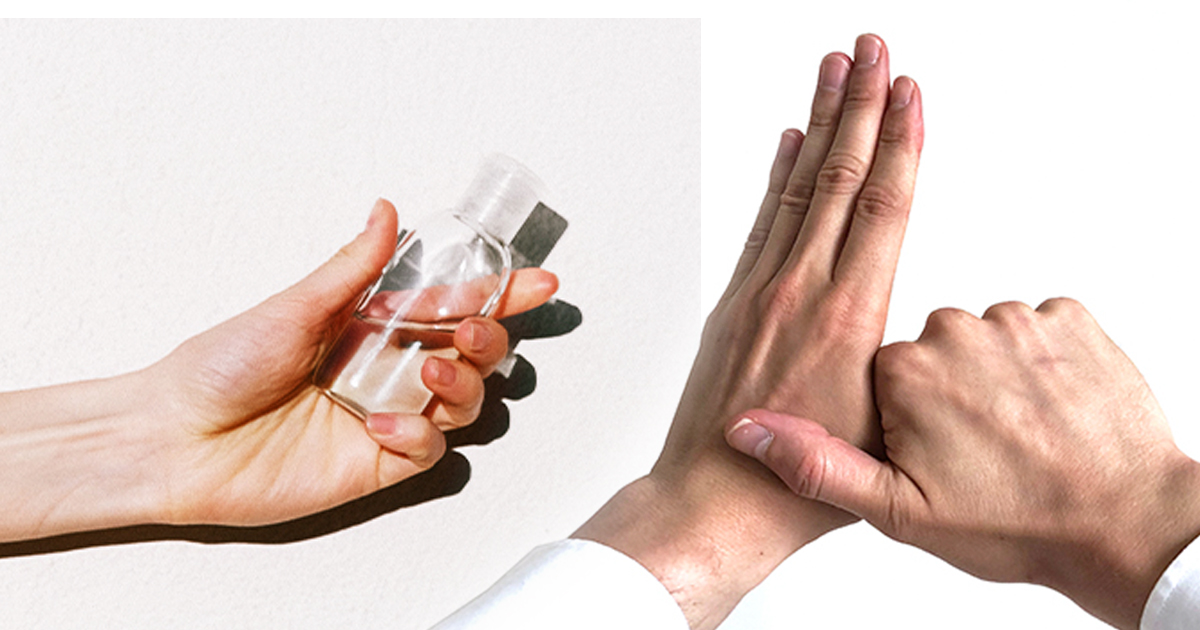
Throughout the COVID-19 outbreak, we all found ourselves equipped with a bottle of alcohol-based hand rub (ABHR). From day to days, we got used to having to practice good hand hygiene on a daily basis. and 30 seconds for hand rubbing has now become an unmistakable gesture. It is critical to keep in mind that ABHR is required in all situations, not only during the COVID-19 pandemic.
Due to high demand for hand sanitizer at the beginning of 2020, the raw materials led to a shortage, which drove up the price of hand sanitizer. At the same time, new hand sanitizers brands emerged on the market. As a result, non-compliant and most likely non-virucide alcohol-based hand rub (ABHR) have hit the market.
Despite the labels claiming that these products were antibacterial or disinfectant, we were unable to determine their exact root. Due to the lack of awareness of its contents, many users were just unaware that the product would be effective against the recently identified Coronavirus 2 (SARS-CoV-2).
What are the signs that a hand sanitizer is compliant or not?
Biocides are defined as compliant hand sanitizers which have been certified to disinfect. To be considered compliant, the hand sanitizer must claim biocide efficacy against a specific group of bacteria (microorganisms), as well as be tested against the current European Standards (EN) in accordance with all of the regulatory requirements. A European Standard is a technical standard ratified by one of the European standards organizations, such as the European Committee for Standardization.
In order to be virucide active, a hand sanitizer must comply with EN 14476 and should also have at least 60% alcohol concentration, which is recommended by the World Health Organization.
Keeping your hands sanitized while avoiding the following types of alcohol
It was mentioned earlier that there are various brands out there that you need to watch out before purchasing. Customers should know that there are just three types of alcohol that are allowed in hand sanitizers. In contrast, the simplest chemical in the alcohol family, namely Methanol (methyl alcohol), is not recommended for use in hand sanitizers due to its toxicity and severe side effects.
The following are the permitted alcohols in hand sanitizers:
● Ethanol (ethyl alcohol),
● N-propanol (propyl alcohol),
● Isopropanol (isopropyl alcohol).
IMPORTANT MESSAGE FOR YOU
Hand sanitizers are effective against COVID-19 only if:
● It complies with the standard EN 14476 (claims virucidal activity).
● This substance contains at least 60% alcohol, or between 520 mg/g and 630 mg/g (only ethanol, n-propanol, and isopropanol).
In addition, be a wise customer and determine whether your hand sanitizer contains methanol (recent studies advise against hand sanitizer formulations that contain methanol) and hypoallergenic humectant.
Using an alcohol-based hand sanitizer requires hands to be visibly clean. The process should be performed according to WHO guidelines.
In case of interest, please check: WHO Website – SAVE LIVES: Clean Your Hand